To all worksCase study

Playhouse

A TikTok-style real estate iOS app for a $2.8M YC S21 startup: a short-form video feed, three linked user roles, and a gamification loop, built from zero to App Store launch.

Team
One product designer (me), the CEO doubling as product lead, three mobile engineers
Scope
126+ screens across three user groups: onboarding, video feed, discovery, price-guessing game
Role
0 to 1 iOS app design: interaction flows, gamification, design system, landing page
Collaboration
Paired directly with the CEO on product strategy, and with iOS engineers on implementation

Evaluating a home you have never stood inside is hard from photos and specs alone. Playhouse set out to replace that with a short-form video feed backed by real local market data.

As the sole product designer, brought in through Awesomic, I ran this end to end: interaction flows, the game, the design system, and the landing page underneath it all.
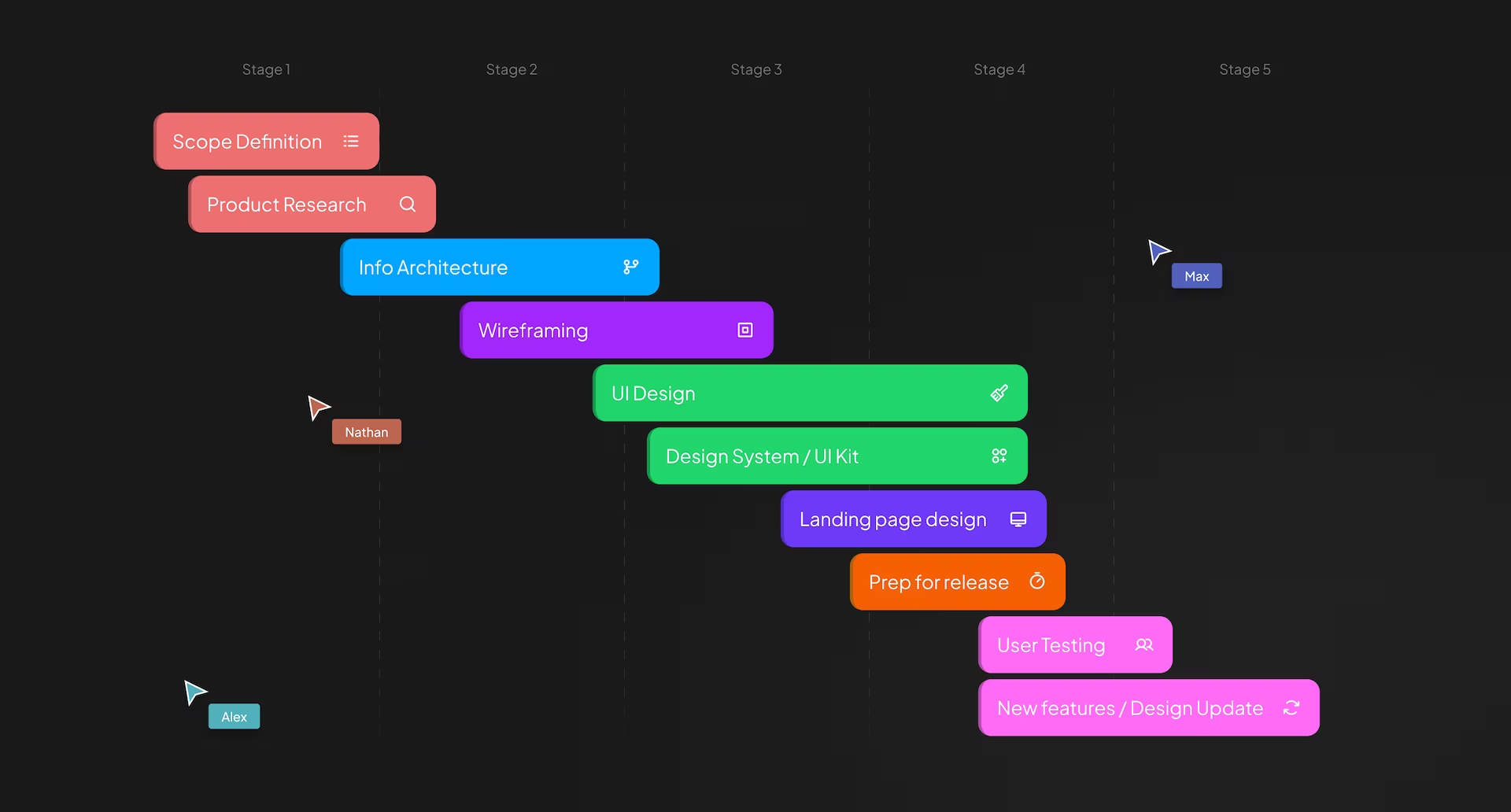
A five-stage project board from scope definition through product research, information architecture, wireframing, UI, design system and release, with three collaborators' cursors visible
Five stages, one designer, three collaborators. Scope through release, reviewed with the CEO and engineers on the same board.

This case covers two of those decisions: the loop built to solve a real retention problem, and the navigation built to serve every role from one app.
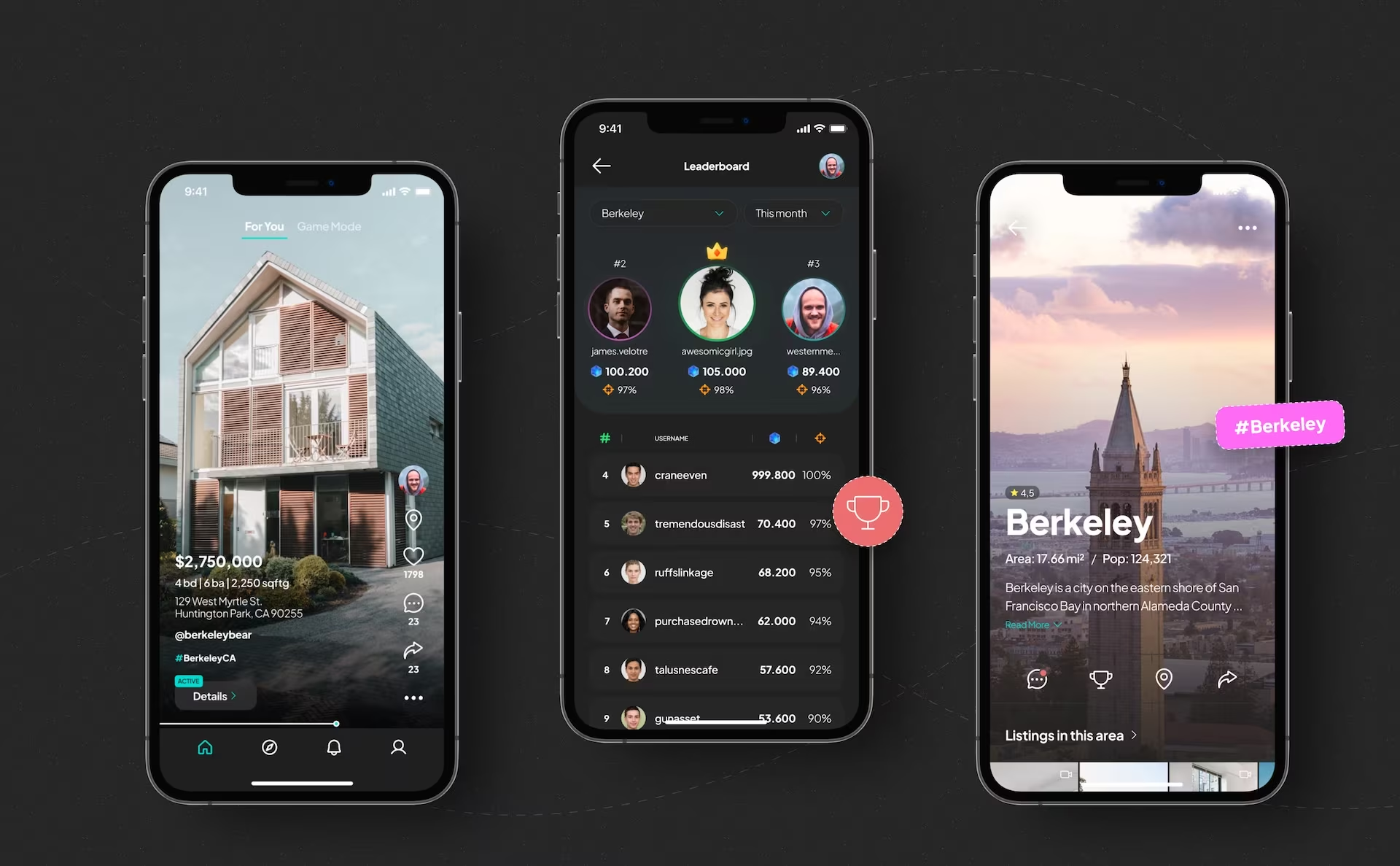
Three Playhouse screens: the video feed, the monthly leaderboard, and a city discovery page for Berkeley
Feed, leaderboard, city page. The three surfaces this case is actually about: browse, compete, discover.

Decision log

Designing a reason to open the app on a day you are not moving

An endless video feed makes browsing homes engaging, but browsing alone does not sustain daily use in a category where the actual buying cycle runs for months. Real estate search has a naturally low frequency: people check listings hard while actively moving, then go quiet until the next lease or purchase. We needed a mechanic that gave buyers a reason to come back every day, not just during the weeks they were actually shopping.
  1. A

    Standard save-and-alert push notifications

    Rejected

    The Zillow/Redfin approach. It drives episodic visits when a price drops, but does nothing to build a daily habit or any sense of community among people who are just browsing.

  2. B

    Social commenting and agent Q&A threads

    Rejected

    Needs a real density of active agents answering in real time to work at all. Early on, with few agents live, empty comment sections would have made the app feel dead on arrival.

  3. C

    A daily price-guessing game built on the video feed

    Shipped

    Users guess a home's price straight from its video tour, with leaderboards and an accuracy score. It turns passive scrolling into an active, competitive habit, and gives buyers a reason to open the app on days they are not house-hunting at all.

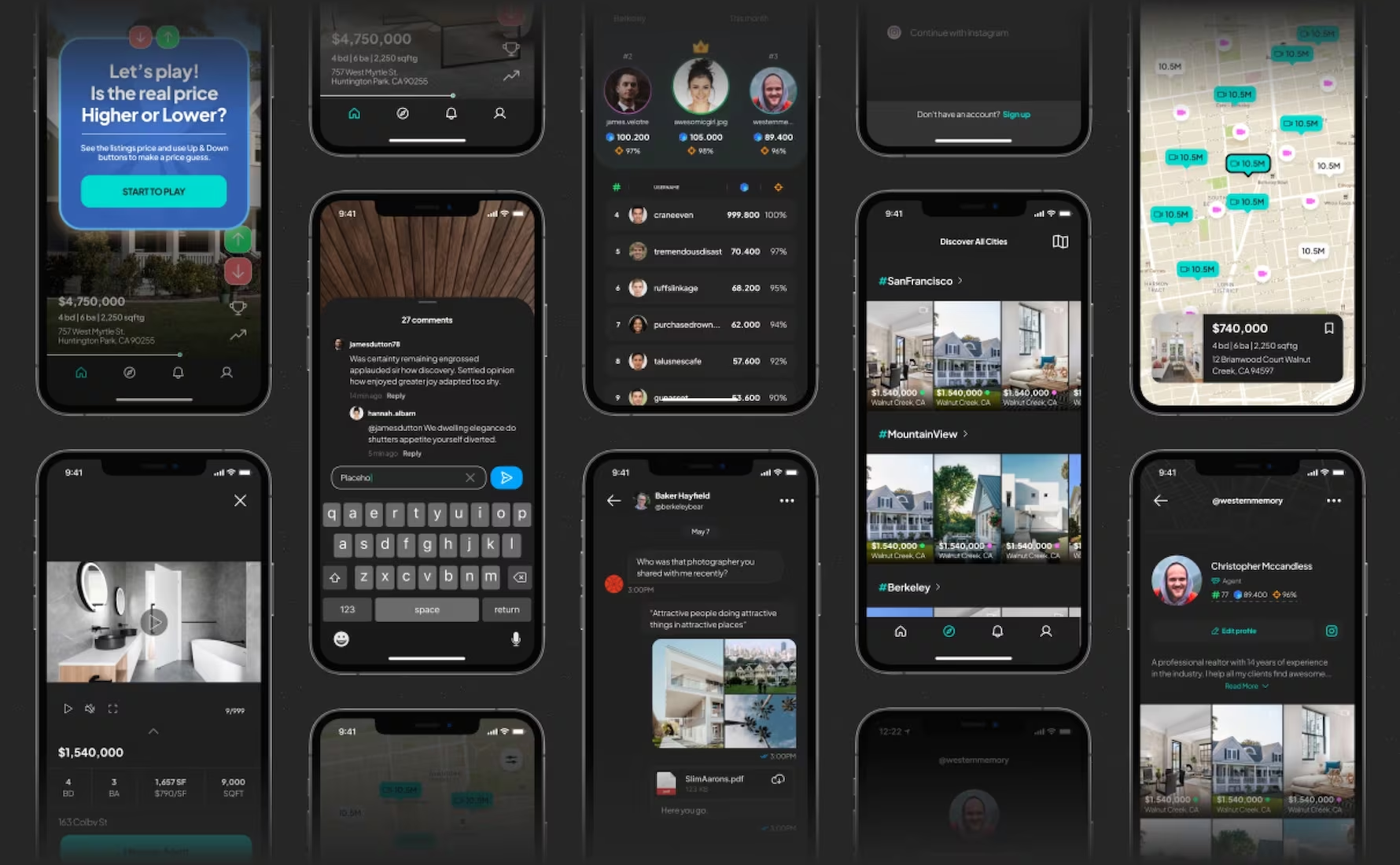
Playhouse screens for the price-guessing game, comments, city grid, map pins and an agent profile
126+ screens, drawn and wired. Every screen connected into its relevant flow.

System architecture

One native app for three audiences, and a feed that stays the centre of it

Buyers, homeowners and agents get the same app, the same tab bar, and different destinations underneath it. Serving all three without burying the video feed took a clear navigation hierarchy, not just more tabs.

Homebuyers
The vertical video feed itself, plus city hashtag discovery, property spec sheets, and a direct line to the listing agent from inside a tour.
Gamifiers
The price-guessing game: an accuracy score, weekly city leaderboards, and badges for buyers who never intend to actually make an offer.
Agents and sellers
Video upload, listing management, local market insights to publish, and the lead generation that funds the other two experiences.
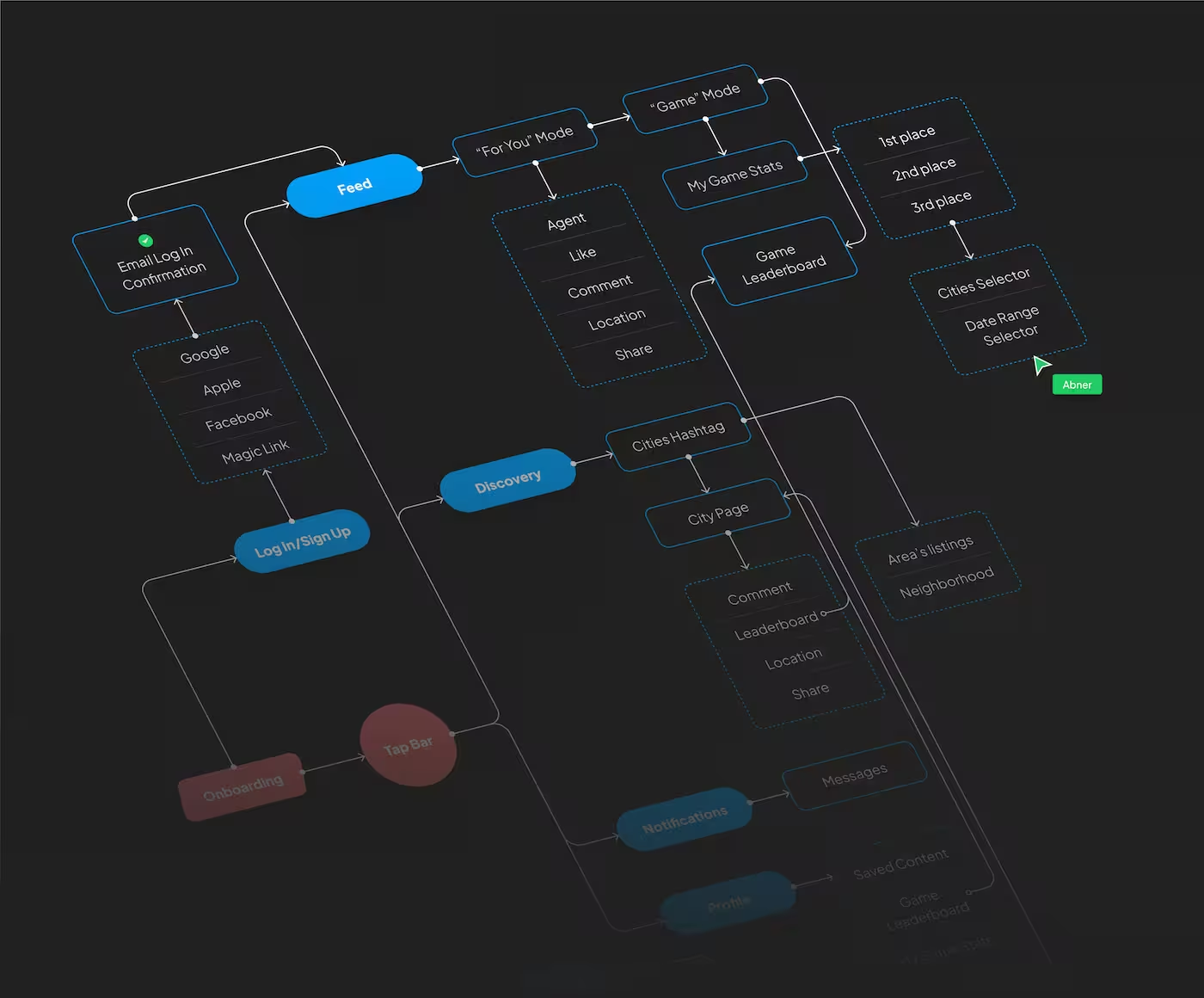
Navigation flowchart for Playhouse: onboarding into feed and discovery, the game and its leaderboard, and city selection
The map this case is describing. Onboarding feeds into the video feed and discovery; the game and its leaderboard sit one tap away from either, never a dead end.

Impact and deliverables

Delivered the full set of App Store preview assets, a responsive marketing landing page, and the pitch deck built on top of it. Playhouse shipped to the App Store and helped back the team's YC S21 fundraise.
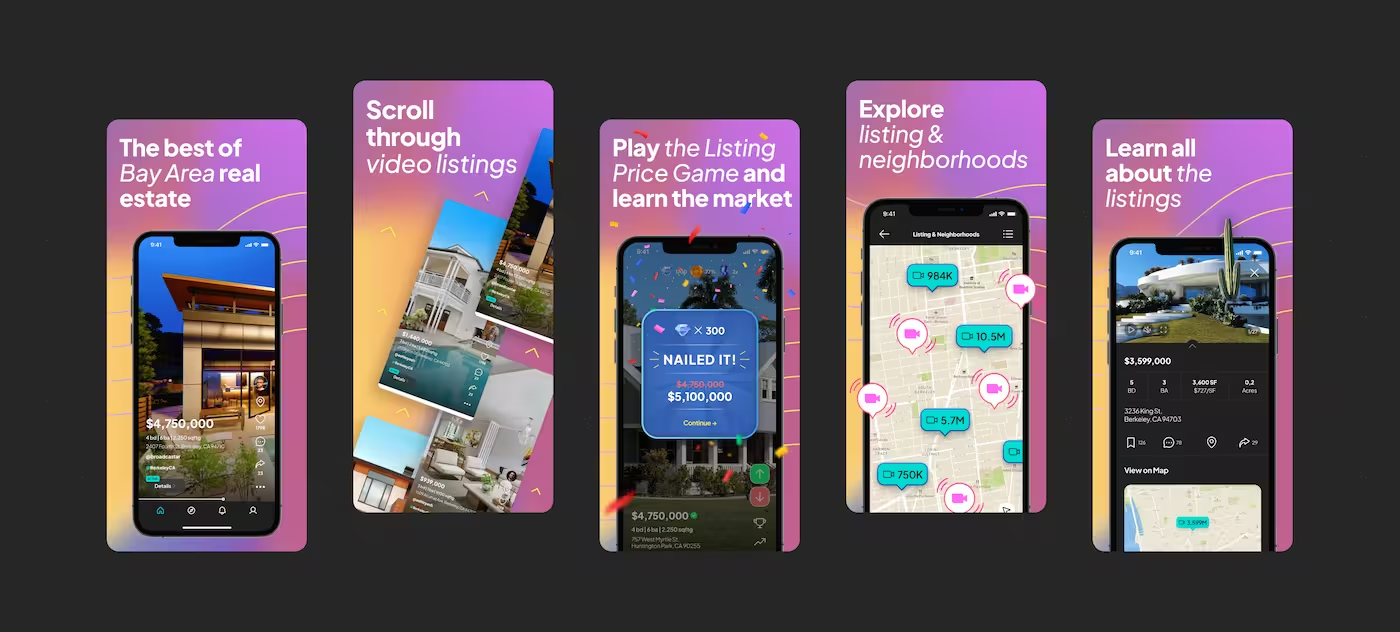
Five App Store preview screens for Playhouse with marketing captions over each
The App Store set. Five preview frames, one per core surface, captioned for someone who has never opened the app.

This one was a genuine blast to work on, right up there with BeyondEdge, the case where I really let loose.